Present Perfect Continuous Tense
(वर्तमान पूर्ण निरंतर काल)
Use / प्रयोग
- To show an action that started in the past and is continuing, or
- Started in the past and stopped recently, but its effect is still seen in the present.
Hindi meaning:
कोई काम जो भूतकाल में शुरू हुआ हो और अब तक चल रहा हो
Structure / बनावट
English
Subject + has/have + been + verb (-ing) + object + since/for
Hindi
Subject + समय से + verb रहा/रही/रहे + है/हैं
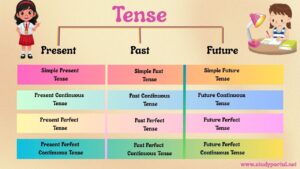
Sentence Structures / वाक्य रचना
- Affirmative Sentences
- (सकारात्मक वाक्
- Negative Sentences
- (नकारात्मक वाक्य)
- Interrogative Sentences
- (प्रश्नवाचक वाक्य)
- Negative Interrogative
- (नकारात्मक प्रश्नवाचक)
1. Affirmative (साधारण वाक्य)
Subject + has/have been + V1 + ing + Object+ since/for + {TIME}.
Examples:
- I have been studying for two hours.
मैं दो घंटे से पढ़ाई कर रहा हूँ। - She has been working here since 2020.
- वह 2020 से यहाँ काम कर रही है।
2. Negative (नकारात्मक)
Subject+ has/have not been + V1 + ing + Object + since/for + {TIME}.
Examples:
- I have not been waiting for you.
मैं तुम्हारा इंतज़ार नहीं कर रहा हूँ। - They have not been playing since morning.
वे सुबह से नहीं खेल रहे हैं।
3. Interrogative (प्रश्नवाचक)
Has/have + Sub. + been + V1 + ing + Obj.+ since/for + {TIME}?
Examples:
- Have you been studying since morning?
क्या तुम सुबह से पढ़ाई कर रहे हो? - Has he been living here for five years?
क्या वह पाँच साल से यहाँ रह रहा है?
4. Negative Interrogative(नकारात्मक प्रश्न)
Has/have + Sub. + not + been + V1 + ing + Obj.+ since/for + {TIME}?
Examples:
-
Have you not been studying?
क्या तुम पढ़ाई नहीं कर रहे हो? -
Has she not been working today?
क्या वह आज काम नहीं कर रही है?
Since vs For
- Since → निश्चित समय (point of time)
since 2020, since morning - For → समय की अवधि (period of time)
for two hours, for five years
Helping Verbs
- I / You / We / They → have been
- He / She / It → has been
FAQs – Present Perfect Continuous Tense
Q 1. What is the Present Perfect Continuous Tense?
English: It shows an action that started in the past and is continuing or has just stopped.
Q 2. What helping verbs are used?
English: has been/have been
Q 3. When do we use “since” and “for”?
English:
- Since → point of time (since 2020)
- For → period of time (for two hours)
Q 4. What is the sentence structure?
English: Subject + has/have + been + verb(-ing)
Q 5. Can we use this tense for temporary actions?
English: Yes, mostly for temporary or ongoing actions.
Q 6. What is the difference between Present Perfect and Present Perfect Continuous?
English:
- Perfect: focus on the result
- Perfect Continuous: focus on duration
Read More:-
I hope you like the Present Perfect Continuous Tense
You actually make it seem so easy with your presentation but I find this matter to be actually something which I think I would never understand. It seems too complicated and very broad for me. I’m looking forward for your next post, I will try to get the hang of it!